Why Does the Moneyline Get Expensive Before the Handicap Does?
In the world of football betting, one trend is glaringly consistent: the moneyline gets expensive before the handicap does. This pattern puzzles casual bettors and even some seasoned punters, but when you crack the code, it reveals a lot about market psychology, public money flows, and the efficiency of different betting markets.
Consider this typical price example—an underdog opening at +130 on the moneyline. After a surprising hot start, that +130 might rapidly evaporate to +110 or lower, while the handicap market lags behind, adjusting only gradually. Why the discrepancy? Why does the moneyline lead the shifts, and why is the handicap market slower to catch up?
Hot Starts Get Priced In Fast: The Moneyline Reacts Immediately
Let's start with the basics. The moneyline is the simplest wager—pick the winner or the underdog. Because of its direct nature, the moneyline is the first market to respond when a team delivers unexpected results.. Pretty simple.

- A team starts 3-0, underdog at +130 opens.
- They win again.
- The moneyline price shortens quickly—bookmakers react to real-money bets flooding in.
This rapid adjustment is a classic example of moneyline shading. Sharp bettors and the public immediately put their money behind the narrative. Algorithms and market makers spot the new data and instantly adjust the prices to protect their books from liability.
You ever wonder why in short: good starts put pressure on the moneyline first.
Contrast With Handicap Markets
The handicap is more complex. Instead of just picking a winner, bettors gamble on a team winning by a certain goal margin. This makes it a secondary market https://casinocrowd.com/corners-betting-does-an-attacking-style-create-value/ that usually scans the moneyline market as a guide.
Because it requires a stronger claim—like winning by 1 goal, 2 goals, or more—the handicap odds demand extra evidence. The smart money wants confirmation before pushing big volume here. As a result, the handicap market is slower to react and adjust. ...well, you know.
Good Team Does Not Equal Good Bet: Understanding Market Corrections
This point can't be overstated. Just because a team looks good on paper or starts hot does NOT mean they are a good bet at every price. Here’s where misconceptions hit:
- Moneyline > Handicap: A team winning is simpler to price.
- Public Money Jumps the Gun: Fans chase narratives and jump early on winning teams.
- Market Correction Ensues: Bookmakers shorten moneyline prices swiftly to reduce risk.
- Handicap Value Linger: The handicap odds take a breather, awaiting more confirmation.
This is market efficiency in play. The market quickly acknowledges a new hot team by shading the moneyline. Meanwhile, the handicap market retains some value due to the time lag and requires consistency to price in more precise outcomes.
Why Handicap Value Is Worth Hunting
The handicap, with its secondary market lag, often preserves betting value. Market makers know the handicap distributes risk better and captures nuanced expectations about margin of victory, but it requires more data.
So, savvy bettors can find edges here by waiting out the initial hype and stepping in before handicap adjustments catch up.
Public Money and Narrative Chasing Drive Early Price Movement
Psychology explains a lot of the early moneyline price moves. Public bettors love simple, compelling stories:
- "Underdog just won, looks unstoppable!"
- "Star player returning, the team is a sure bet!"
- "This coach always bounces back after defeats!"
These narratives ignite momentum bets, especially on the moneyline. The public doesn't drill into goal margins—they want to back winners, period.
Market makers respond in kind, sharply shortening the +130 moneyline price because the volume and direction of real money suggests they need to reduce exposure fast.
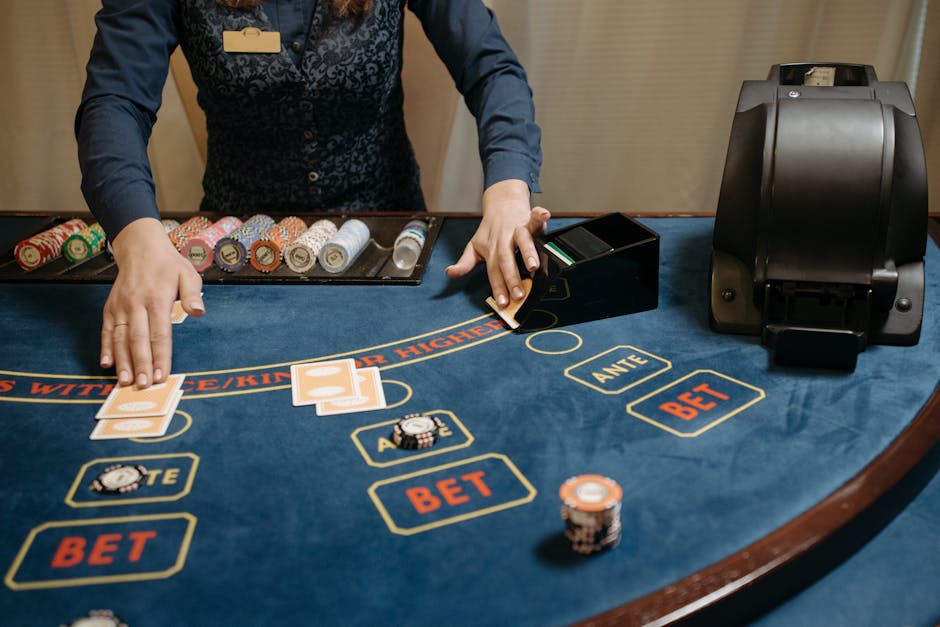
Handicap markets require a deeper conviction—will this team consistently beat the spread by 1 or 2 goals? Until the narrative matures and data supports it, the handicap prices remain relatively wide.
Table: Market Response Speed Comparison
Market Complexity Typical Reaction Speed Influencing Factors Moneyline Low (win/loss) Immediate Public betting, sharp bets, narratives Handicap Medium (win + margin) Delayed Trend confirmation, consistency, volume signalsSummary: Market Efficiency Creates This Price Dynamics
- Hot starts get priced in first on the moneyline. Bookmakers quickly shade prices from +130 onwards to limit risk.
- Handicap markets lag behind because the bet is more complex and needs more consistent evidence.
- Public bettors chase stories, pushing moneyline prices aggressively and often prematurely.
- Market corrections follow, with moneyline odds shortening swiftly and handicap markets catching up only after sustained performance.
- Value exists in the handicap because it adjusts more slowly, offering sharp bettors opportunities.
Final Word: At What Price?
Last month, I was working with a client who thought they shots on target props could save money but ended up paying more.. Always ask, “At what price?” A good bet isn’t just a winning bet; it’s a bet with fair or positive expected value. When the moneyline hits +130, a hot start can make it feel “cheap.” But if it moves to +110 too fast, the value evaporates quickly.
Meanwhile, the handicap may still offer worthwhile odds—especially when the market hasn’t fully recognized the team’s ability to beat the spread yet. Patience and price shopping across markets can help you catch edges that others miss.
So next time you see a moneyline get expensive before the handicap moves, remember: it’s not random. It’s market efficiency reflecting public psychology and market liquidity.